


Zygomatic dental implants provide a lifeline for individuals facing severe bone loss in the upper jaw, making it possible for them to regain their smiles, confidence, and quality of life.
In this article, we will delve into the intricacies of zygomatic implants, exploring their benefits, suitability, success rates, and cost allowing you to decide if they can be the solution for you or a loved one.
What Are Zygomatic Implants?
Zygomatic implants are a solution for individuals who have experienced significant bone loss in the upper jaw.
Unlike traditional dental implants that rely on the existing bone structure, zygomatic implants anchor into the zygomatic bone, aka, the cheekbone. The cheekbone is much denser than the upper jaw bone and therefore more stable.
The dentist will anchor the implant to your cheekbone and your sinus, making it extremely stable and secure.
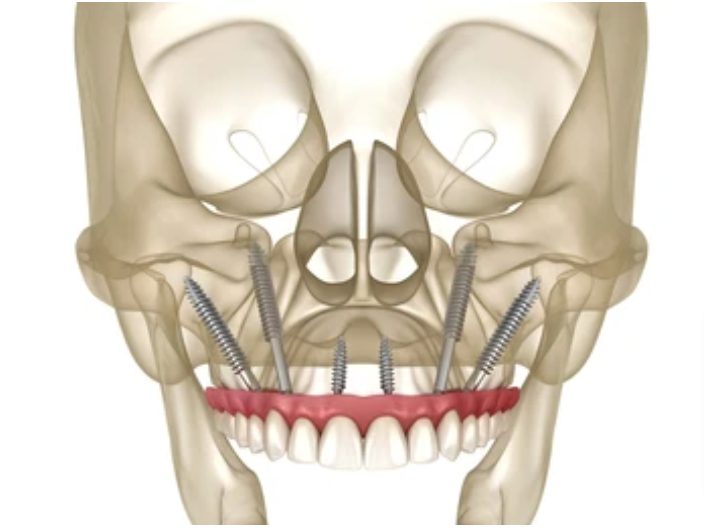
This approach eliminates the need for extensive bone grafting procedures and opens up additional possibilities for patients with limited bone volume.
Reasons for Severe Bone Loss in the Upper Jaw
Bone loss in the upper jaw can be attributed to several factors. The three primary reasons include:
- Periodontal Disease: Untreated gum disease can lead to bone deterioration around the teeth, causing instability and eventual tooth loss.
- Trauma: Facial injuries or accidents can damage the jawbone, leading to bone loss over time.
- Tooth Loss: When teeth are lost and not replaced promptly, the jawbone that once supported them can start to resorb due to lack of stimulation.
Although Zygomatic implants can help work around bone loss, it is important to know how severe your bone loss is to try and minimize further deterioration.
Am I a Candidate for Zygomatic Implants?
Zygomatic implants are a game-changer for individuals who would traditionally be deemed unsuitable candidates for dental implants due to severe bone loss. Some specific groups of patients who could benefit from zygomatic implants include:
No Bone Grafting Required Candidates: Patients who lack adequate bone density for traditional implants can opt for zygomatic implants, often eliminating the need for complex bone grafting procedures.
Bone Loss Caused by Dentures: Individuals who have worn dentures for an extended period often experience significant bone loss. Zygomatic implants offer a secure foundation for implant-supported dentures.
Creating a Treatment Plan for Zygomatic Implants
A comprehensive treatment plan for zygomatic implants involves a thorough assessment of the patient's oral health, bone structure, and overall medical condition.
This often includes 3D imaging, CT scans, and meticulous evaluation by a skilled oral surgeon or periodontist.
The treatment plan is personalized to address the unique needs and challenges of each patient.
Benefits of Zygomatic Implants
Zygomatic implants can offer a number of benefits that extend beyond traditional implant solutions:
- Immediate Improvement: Patients experience a rapid improvement in their appearance, speech, and ability to chew immediately after the procedure.
- No Bone Grafting: The most significant advantage is the elimination of the need for extensive bone grafting, which reduces both recovery time and discomfort.
- Increased Stability: Zygomatic implants are anchored in dense bone, increasing stability and longevity.
- Minimal Discomfort: The minimally invasive procedure results in less post-operative discomfort compared to traditional bone grafting techniques.
Zygomatic Implants Success Rate
According to the International Journal of Implant Dentistry, Zygomatic implant treatments have shown a high success rate, often exceeding 95%. Additionally, most of the studies have shown extremely high success rates, showcasing this option as a great long term solution.

How do Zygomatic Implants Compare to DIP’s Minimally Invasive Approach?
Here at The Dental Implant Place, we use a unique method called the Minimally Invasive Approach. Almost all implants in our office are placed without flaps (which involves cutting open the gums and exposing the bone). Instead, they are placed via a tiny pinhole in the gums, and are then gently rotated into place by hand rather than a drill. With this technique, bone grafting is almost always avoided, surgical trauma is drastically reduced, and many patients with sub-optimal bone density are still able to get dental implants.
Most of our patients prefer the Minimally Invasive Approach. It costs less, requires less surgical trauma, and can accomplish the same result.
Conclusion
Zygomatic implants are a dental implant treatment option offering hope to individuals who once faced limited options due to severe bone loss. With their high success rates, immediate improvements, and minimal discomfort, zygomatic implants can be a viable option. As technology and techniques continue to evolve, the future holds even more promise for those seeking advanced dental solutions. If you or a loved one is struggling with severe bone loss in the upper jaw, zygomatic implants could be the transformative solution you've been looking for. Consult with a qualified dental professional to explore whether this innovative treatment is the right choice for you.
Zygomatic Implants FAQ
How long do zygomatic implants last?
What are the disadvantages of zygomatic implants?
- Complexity: The surgical procedure for zygomatic implants is more intricate compared to traditional implants, requiring specialized training for the dental professional.
- Cost: Zygomatic implant procedures can be more expensive due to the advanced techniques and materials involved.
- Recovery Period: Although generally less uncomfortable than traditional bone grafting, there is still a recovery period during which patients may experience mild swelling and discomfort.
- Limited Availability: Not all dental professionals are trained to perform zygomatic implant surgeries, which could limit access to this treatment option.


